
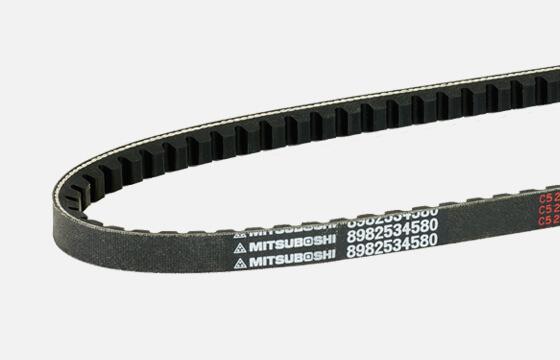
Industrial belts are critical to power transmission in factories, processing plants, and mining. Neglecting maintenance leads to unexpected failures, downtime, and higher replacement costs. A single failed belt can stop a production line or damage associated components. These practical tips can help you get the most out of your belts and catch problems before they escalate.
Check tension regularly. Belts that are too loose slip, overheat, and wear quickly. Belts that are too tight overload bearings and shorten belt life. Use a tension gauge or the appropriate deflection method for your belt type and follow the manufacturer’s recommended tension values. Re-tension after the first 24–48 hours of run-in, as new belts often stretch slightly. Establish a routine—for example, weekly or monthly checks on critical drives—so tension drift is caught early.
Inspect for wear and damage. Look for cracks, glazing, fraying, and uneven wear. Glazing on the belt surface usually indicates slip or overload. Cracks and fraying suggest age, misalignment, or contact with foreign objects. Check both the belt and the pulleys; worn or damaged pulley grooves will accelerate belt wear. Replace belts and address pulley issues before they cause a breakdown. If one belt in a multi-belt drive fails, replace the entire set to avoid uneven loading on the new belt.
Keep alignment correct. Misaligned pulleys cause edge wear, vibration, and premature failure. Use a straightedge or laser alignment tool to verify that pulleys are in line both angularly and in parallel. Correct any misalignment before installing new belts, and recheck after major machine moves or repairs. Even small misalignments can significantly shorten belt life, so taking time to get it right pays off.
Protect belts from contamination. Oil, grease, and chemicals can degrade rubber and reduce grip. Keep belt drives clean and fix leaking seals or fittings that could contaminate the drive. In dusty or abrasive environments, use guards where possible and clean drive areas during scheduled maintenance. If contamination is unavoidable, consider belts designed for oily or harsh environments and plan for more frequent inspection and replacement.
Store spares properly. Keep spare belts in a cool, dry place away from direct sunlight, ozone sources, and chemicals. Avoid bending or stacking belts in a way that could set a permanent curve. Proper storage ensures that when you need a replacement, the belt is still in good condition. Label spares with size and application so the right belt is used when the time comes.
Document and schedule. Record tension readings, inspection dates, and any replacements. Plan inspections and replacements as part of your preventive maintenance schedule so that belt work is done during planned shutdowns rather than in emergency situations. Over time, your records will help you predict replacement intervals and budget for parts and labour.
Train your team. Make sure anyone who works on belt drives knows how to tension, align, and inspect correctly. A small investment in training can prevent costly mistakes and extend the life of your equipment.
Following these steps will help extend belt life, reduce unplanned downtime, and protect your machinery. For quality industrial belts and expert advice on maintenance and selection, contact UMS Trans—your partner in power transmission across Australia.