
Key takeaways
- A V-belt size has two parts: the section (the cross-section profile, e.g. A or SPB) and the length. Get the section right first — it decides whether the belt fits the pulley at all.
- Classical belts (Z, A, B, C, D) are numbered by inside length in inches; narrow belts (SPZ–SPC) by pitch length in millimetres.
- Measure with a cloth tape around the outside, or a belt gauge — then convert to the nominal size with the chart (or the converter below).
- A stretched, worn belt measures long. Round to the nearest catalogue size and match the pulley groove, not the worn belt.
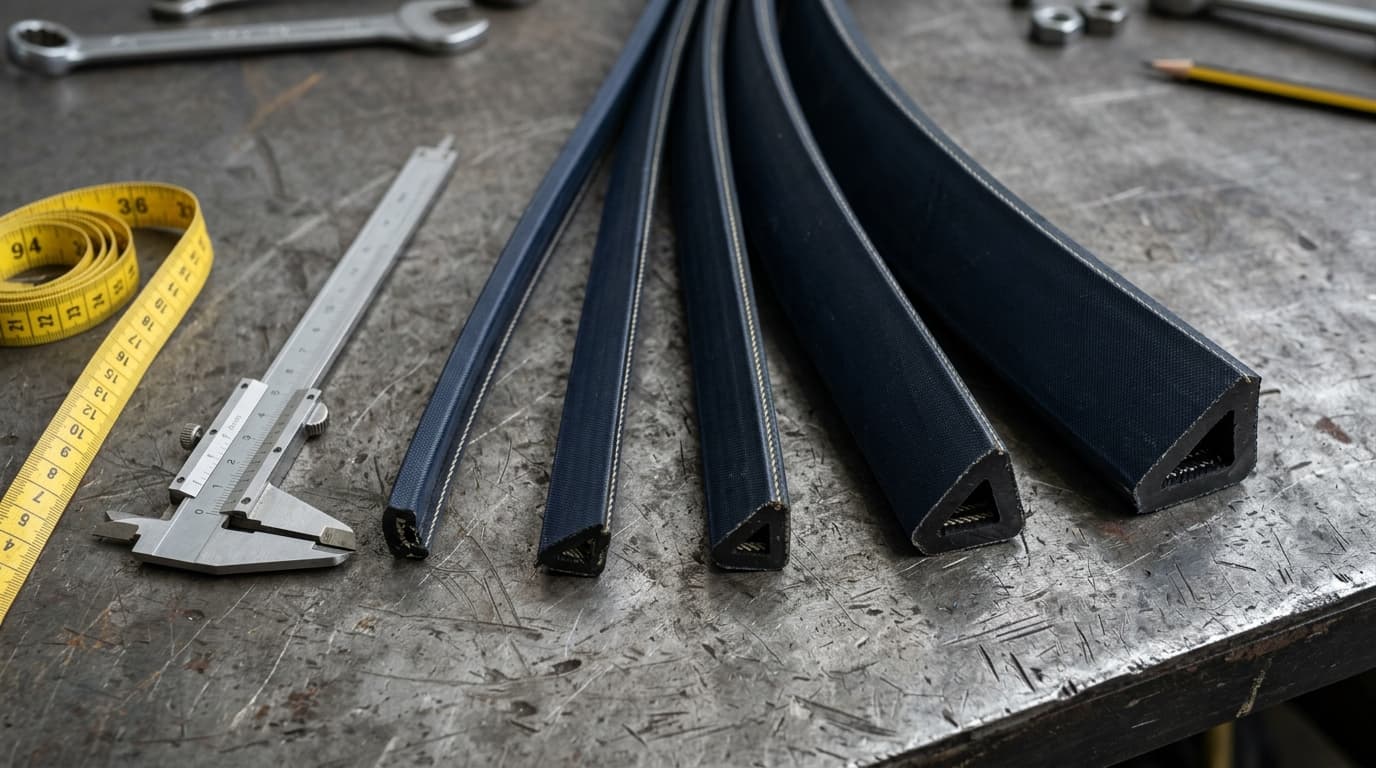
Reading a V-belt size code
Every V-belt is identified by a short code that packs in both dimensions. An A47 is an A-section belt (13 mm wide, 8 mm high) with a nominal 47-inch inside length. An SPB2240 is an SPB-section wedge belt with a 2,240 mm pitch length. The letter tells you which pulley grooves the belt fits; the number tells you whether it will reach around them.
The catch is that the two families use different measurement bases — classical belts quote the inside circumference in inches, narrow belts the pitch circumference in millimetres. That is why a tape measurement never matches the printed number exactly, and why the conversion step below matters.
The V-belt size chart
These are the standard sections we stock across the Mitsuboshi classical and narrow V-belt ranges. Dimensions are nominal per ISO/DIN standards.
| Section | Top width | Height | Pitch − inside offset | Typical duty |
|---|---|---|---|---|
| Z | 10 mm | 6 mm | +22 mm | Light duty — small fans and light machines |
| A | 13 mm | 8 mm | +30 mm | General purpose — pumps, fans, compressors |
| B | 17 mm | 11 mm | +43 mm | Medium duty — machine tools, conveyors |
| C | 22 mm | 14 mm | +56 mm | Heavy duty — crushers, mills |
| D | 32 mm | 19 mm | +79 mm | Very heavy industrial drives |
Classical V-belt sections (ISO 4184 / DIN 2215). Length designation: nominal inside length in inches.
| Section | Top width | Height | Replaces (typically) | Typical duty |
|---|---|---|---|---|
| SPZ | 9.7 mm | 8 mm | Z / A | Compact, higher-speed drives |
| SPA | 12.7 mm | 10 mm | A / B | General industrial drives, tight spaces |
| SPB | 16.3 mm | 13 mm | B / C | HVAC, pumps, compressors |
| SPC | 22 mm | 18 mm | C / D | Heavy drives with fewer belts |
Narrow (wedge) V-belt sections (DIN 7753 / ISO 4184). Length designation: pitch length in millimetres.
Belt worn smooth? Match the groove instead.
How to measure a V-belt, step by step
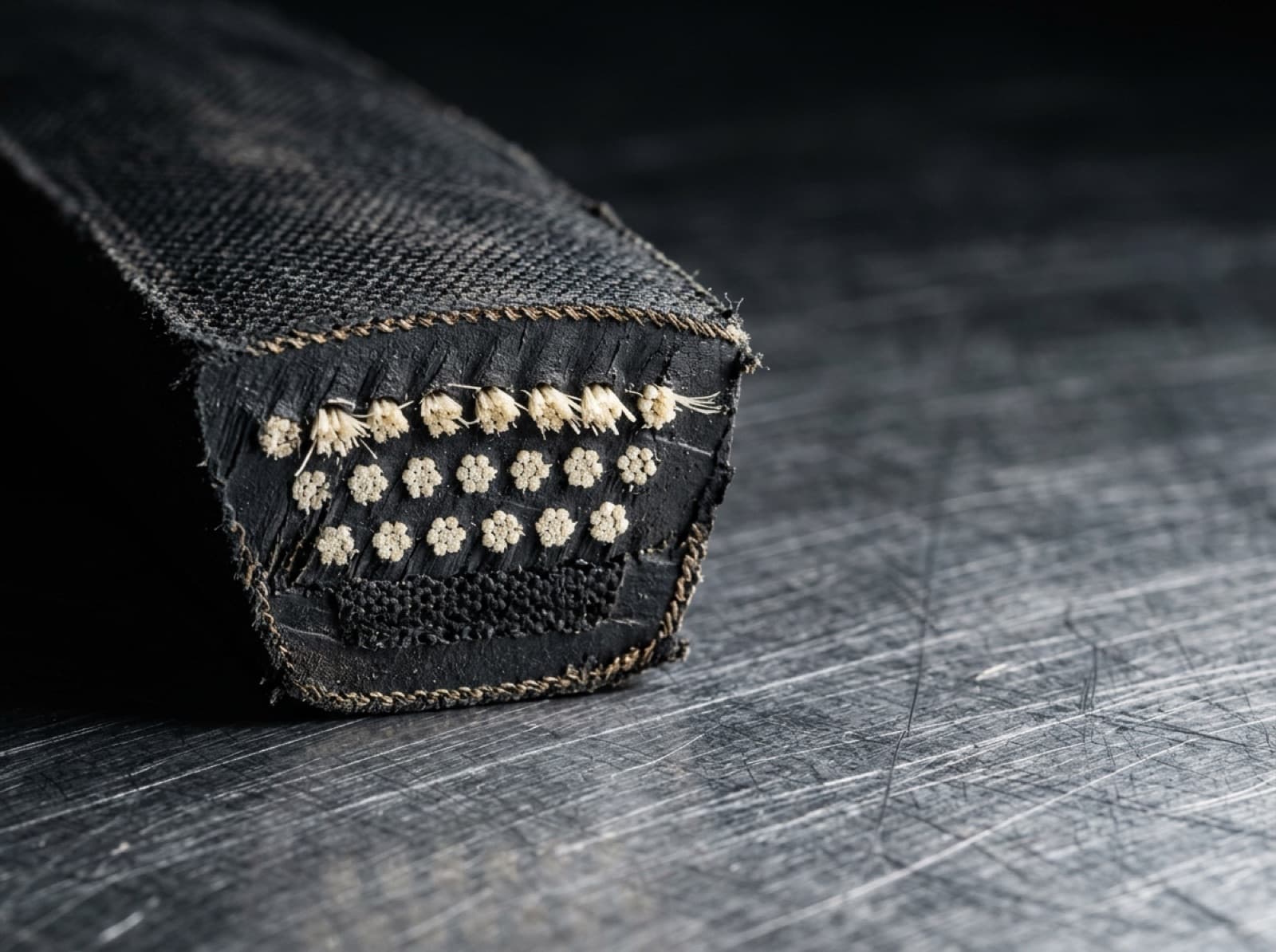
Step 1 — measure the cross-section. With calipers (or a steel rule), measure the belt's top width and depth, then match them against the chart above. This single measurement eliminates most of the catalogue.
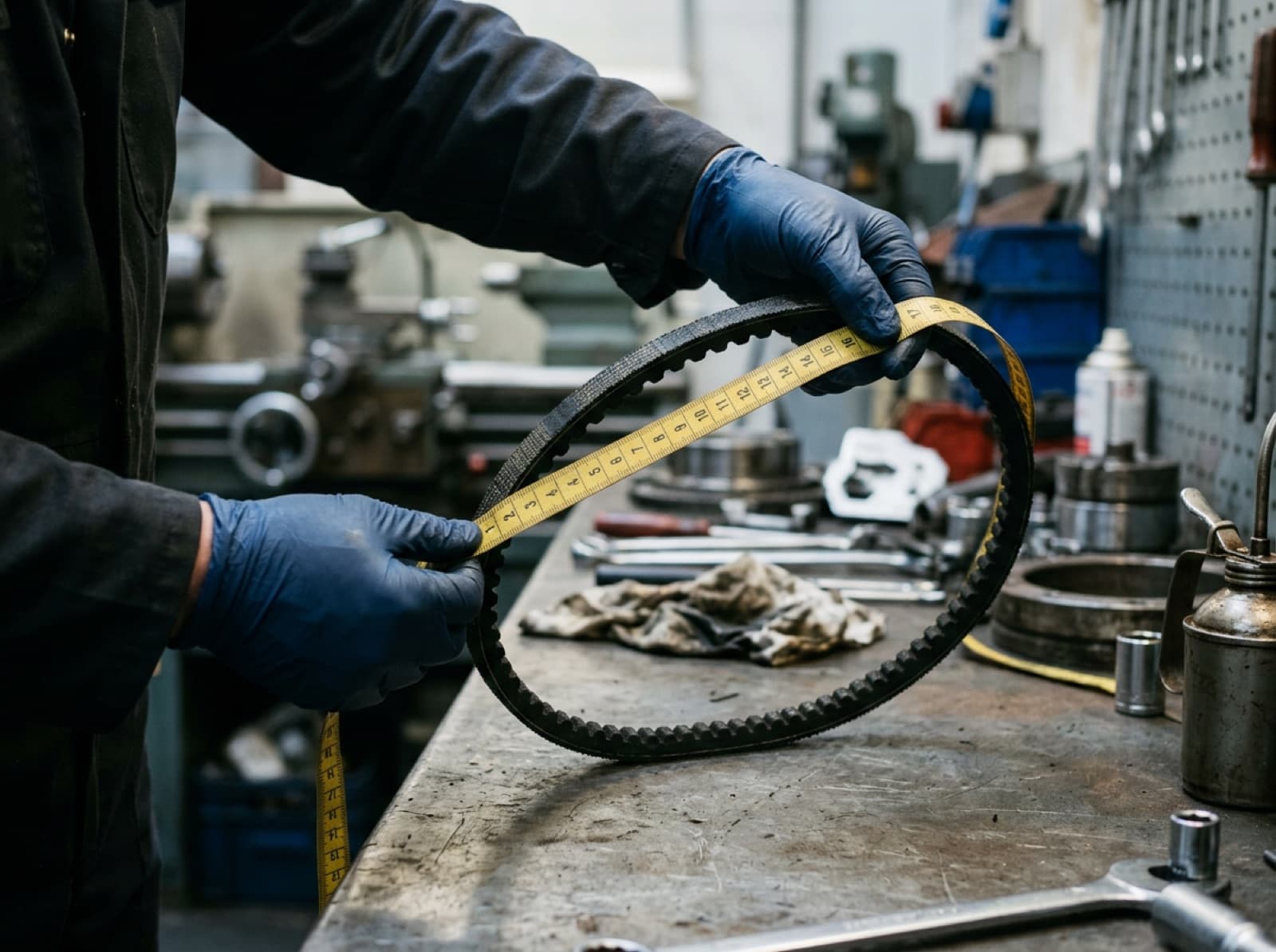
Step 2 — measure the length. Loop the belt into a natural circle and wrap a cloth tape (not a steel one — it won't follow the curve) around the outside. Note the reading in millimetres or inches.
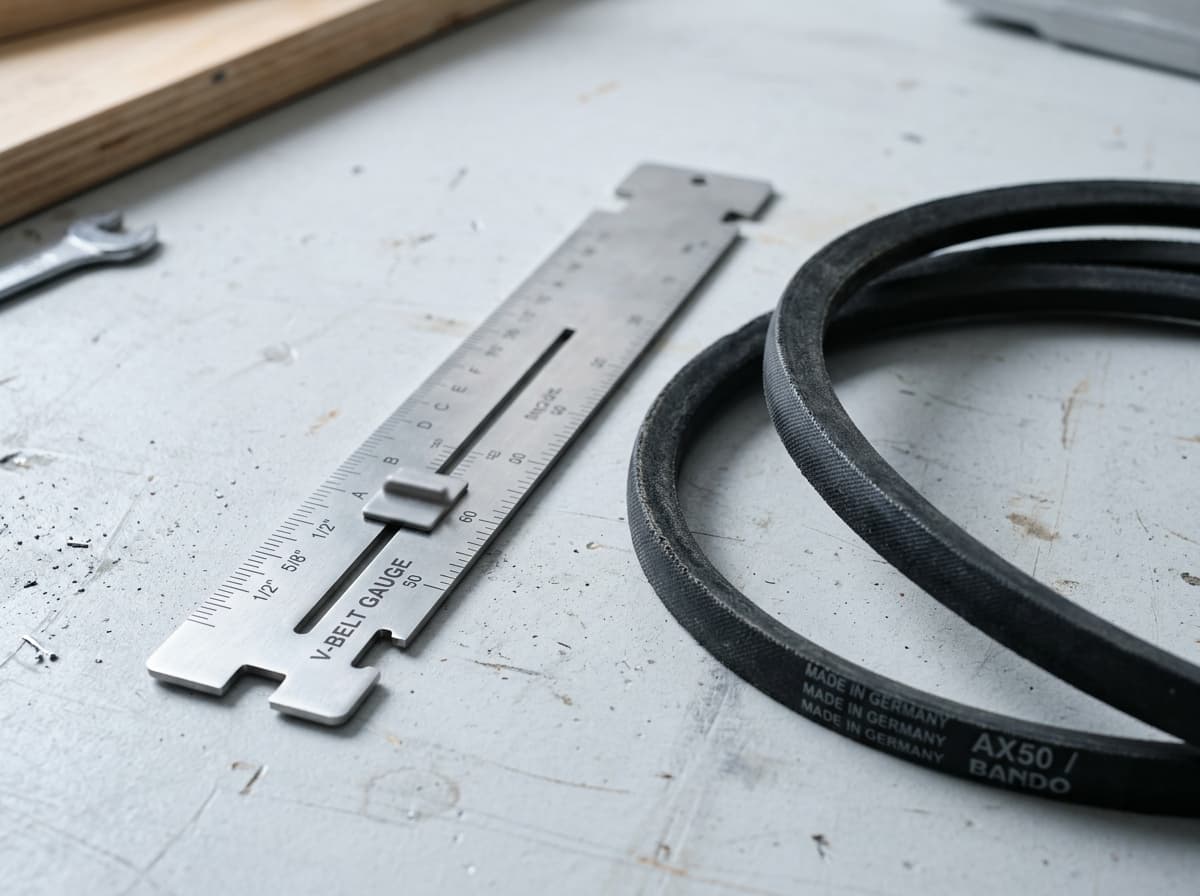
Step 3 — convert to the nominal size. Your outside measurement runs a little longer than the pitch length, which in turn runs longer than the inside length — the chart's offset column bridges pitch and inside. If the workshop has a belt measuring gauge, it reads the designation directly and skips the arithmetic.
Interactive size converter
Pick your section, enter the length you measured, and get the nominal designation to search for in our catalogue — printable chart included.
Belt size converter
Enter what you measured — get the nominal designation to search for.
Nominal designation to look for
A47
≈ 1194 mm inside (47″) · ≈ 1224 mm pitch · General purpose — pumps, fans, compressors up to ~3 kW per belt
Conversions use nominal ISO offsets and are a starting point — belts stretch in service, so confirm against the catalogue or send us your measurements for an exact match.
Replacing a worn belt: two things to check
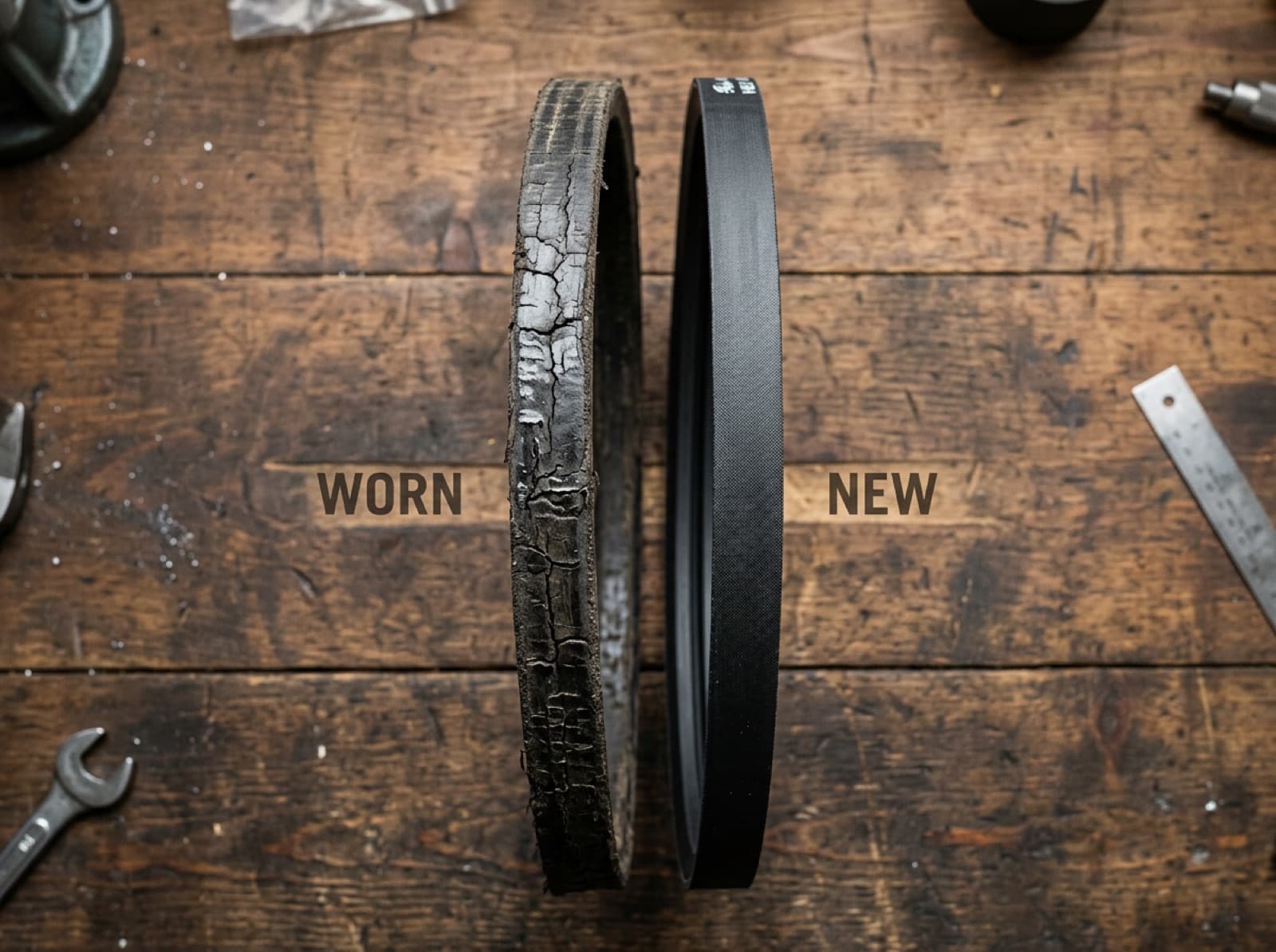
Don't copy a stretched belt. A belt at end of life has elongated — sometimes visibly. If your measurement lands between two catalogue sizes, take the shorter one and let the drive's tensioning range absorb the difference.
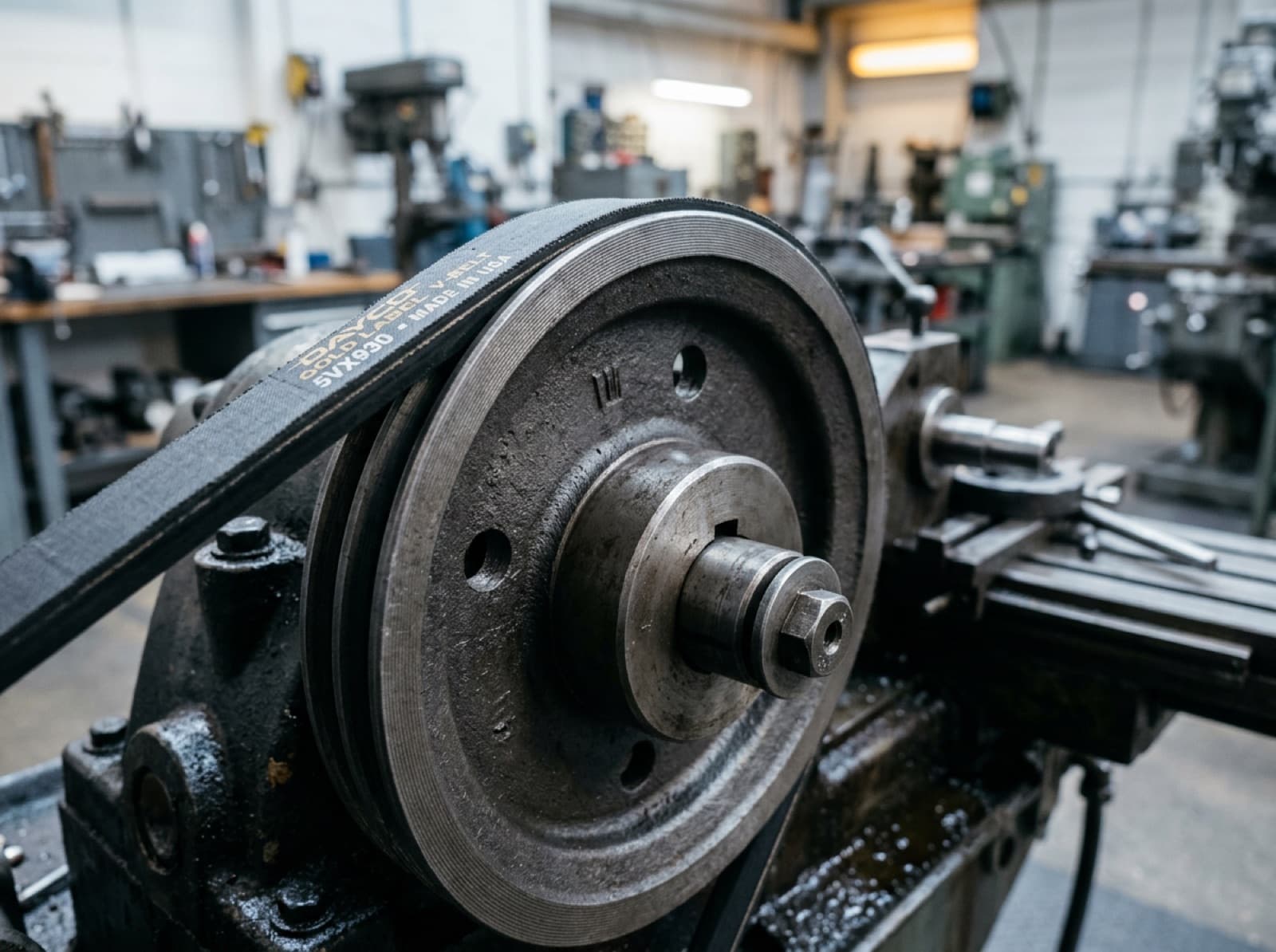
Check the belt sits proud of the groove. A correctly matched belt rides with its top edge at or slightly above the pulley rim. If it bottoms out in the groove, the section is wrong or the groove is worn — either way the belt will slip regardless of tension. Our tensioning & installation guide covers the rest of the fitting job.
Frequently asked questions
What do the numbers on a V-belt mean?
For classical belts (Z, A, B, C, D) the letter is the cross-section and the number is the nominal inside length in inches — an A47 is an A-section belt with a 47-inch inside length. For narrow belts (SPZ, SPA, SPB, SPC) the number is the pitch length in millimetres — an SPB2240 has a 2,240 mm pitch length.
Can I measure a V-belt while it is still on the machine?
Only roughly. The reliable methods are measuring the belt off the drive with a cloth tape around the outside, or using a belt measuring gauge. If the belt is destroyed, measure the pulley centre distance and pulley diameters instead, and we can calculate the belt length for you.
Are A-section and SPA belts interchangeable?
No. They have different cross-sections (13 × 8 mm vs 12.7 × 10 mm) and are designed for different pulley groove profiles. Always match the section stamped on the old belt or the groove profile of the pulley.
How much can a measured length differ from the nominal size?
Used belts stretch and wear, so a measurement can run 1–2% over the nominal size. Round to the nearest catalogue length and treat the pulley groove and section as the fixed reference, not the stretched belt.
Found your size? We stock it.
1,971 Mitsuboshi belts with Australian stock and AUD pricing — or send us your measurements and we'll confirm the exact part.